Advanced Robotic Neurosurgery and Complex Brain/Spinal Implant Surgery
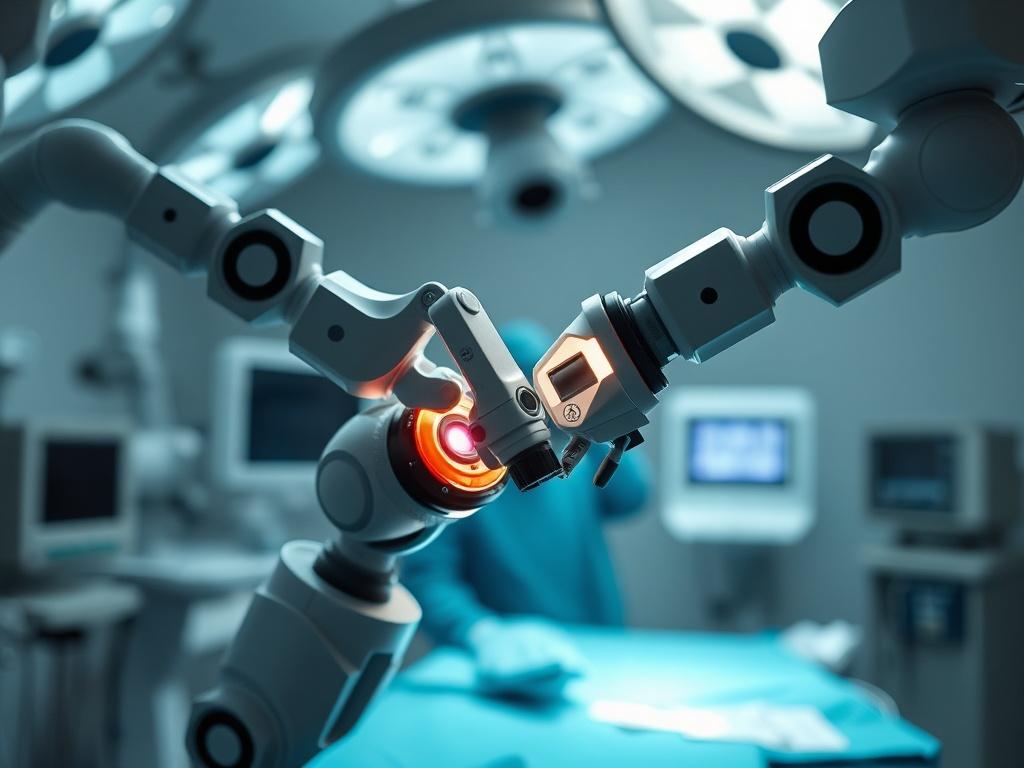
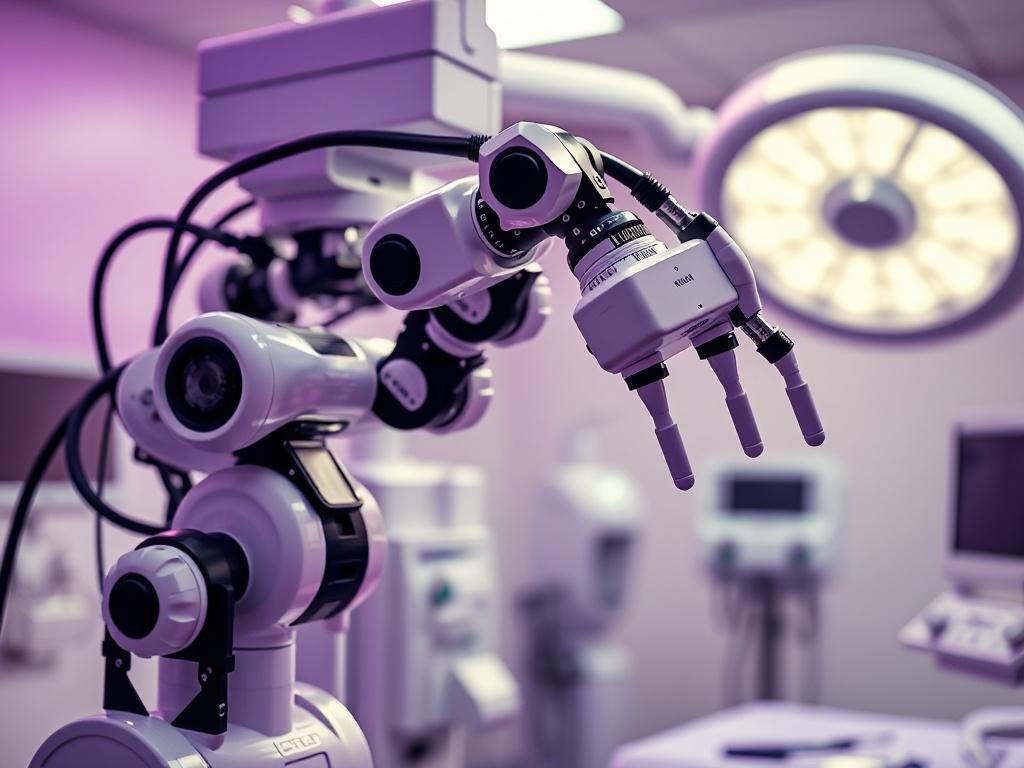
Advanced Robotic Neurosurgery refers to the use of highly sophisticated, computer-assisted robotic systems to perform extremely precise and minimally invasive procedures within the cranial cavity (brain) or along the spinal column. It represents the pinnacle of precision and miniaturization in the neurosurgical field.
Key Features of Robotic Neurosurgery:
1. Superhuman Precision: Robotic arms filter out natural hand tremors and can move with sub-millimeter accuracy, crucial for operating on delicate neural structures.
2. Enhanced Dexterity: The system's "wristed" instruments have a greater range of motion than the human hand, allowing access to deep-seated or hard-to-reach areas through very small openings.
3. Integration with Advanced Imaging: The robot is synchronized with real-time imaging like intraoperative MRI or CT scans. This creates a 3D map of the patient's anatomy, allowing for:
· Pre-Operative Planning: Surgeons can plan the optimal, safest trajectory to the target before making an incision.
· Intraoperative Navigation: The system provides real-time guidance, showing the surgeon exactly where their instruments are in relation to critical brain or spinal structures (like blood vessels or motor tracts).
4. Minimally Invasive Approach: Enables procedures through tiny keyhole openings (burr holes or small craniotomies), leading to less tissue damage, reduced blood loss, lower risk of infection, and faster patient recovery.
Common Robotic Neurosurgical Applications:
· Biopsy: Precise sampling of deep brain tumors.
· Tumor Resection: Removal of brain or spinal tumors with maximal preservation of healthy tissue.
· Stereo Electroencephalography (sEEG) Electrode Placement: For precise mapping of epileptic seizure foci.
· Neuroendoscopy: Using a camera-equipped probe for procedures inside the ventricles.
---
Complex Brain and Spinal Implant Surgery
This involves the surgical placement of highly sophisticated electronic devices into specific regions of the brain or alongside the spinal cord to modulate neural activity, restore function, or monitor physiological parameters.
Types of Complex Implants:
1. Deep Brain Stimulation (DBS) Implants:
· Purpose: To treat movement disorders (Parkinson's disease, Essential Tremor, Dystonia), psychiatric conditions (OCD), and increasingly, epilepsy and chronic pain.
· Components: Ultra-thin electrodes are implanted with pinpoint accuracy into deep brain nuclei (e.g., Subthalamic Nucleus, Globus Pallidus). These are connected to a pulse generator (like a pacemaker) implanted in the chest, which delivers controlled electrical pulses.
2. Responsive Neurostimulation (RNS) Implants:
· Purpose: A "closed-loop" system for treating drug-resistant focal epilepsy.
· How it Works: Electrodes are placed at the seizure focus. The implanted neurostimulator continuously monitors brain activity, detects the onset of abnormal electrical patterns, and delivers a brief, targeted electrical pulse to interrupt the seizure before symptoms occur.
3. Spinal Cord Stimulators (SCS) and Dorsal Root Ganglion (DRG) Stimulators:
· Purpose: To manage chronic neuropathic pain (e.g., Failed Back Surgery Syndrome, Complex Regional Pain Syndrome).
· How it Works: Leads with multiple electrodes are placed in the epidural space along the spinal cord (or near DRG nerves). They deliver low-voltage electrical impulses that interfere with and mask pain signals traveling to the brain, replacing them with a gentle tingling sensation (paresthesia). Newer systems can provide paresthesia-free stimulation.
4. Brain-Computer Interfaces (BCIs) / Neural Prosthetics:
· Purpose: The most complex frontier. Aims to restore motor or communication function in patients with severe paralysis (from ALS, spinal cord injury, stroke).
· How it Works: Microelectrode arrays are surgically implanted into the motor cortex. These electrodes record the neural activity generated when a person intends to move. This signal is decoded by an external computer and used to control a robotic limb, a cursor on a screen, or a communication device.
5. Intrathecal Drug Delivery Pumps (for the spine):
· Purpose: To deliver precise, concentrated doses of medication (like baclofen for spasticity or opioids for cancer pain) directly into the cerebrospinal fluid surrounding the spinal cord.
· Advantage: Achieves powerful therapeutic effects with minimal systemic side effects compared to oral medications.
The Convergence: Robotics in Implant Surgery
Robotic systems are revolutionizing the placement of these complex implants. Their primary role is in the stereotactic placement of electrodes.
· For DBS and RNS, the robot ensures the electrode reaches its deep brain target with unparalleled accuracy, maximizing therapeutic benefit and minimizing risks (like hemorrhage or off-target effects).
· For BCI surgery, robotic precision is paramount for correctly positioning the microelectrode array in the specific region of the cortex that controls limb movement.
Summary in English:
Advanced Robotic Neurosurgery utilizes computer-guided robotic arms to perform ultra-precise, minimally invasive procedures on the brain and spine, guided by real-time imaging.
Complex Brain and Spinal Implant Surgery involves the implantation of sophisticated electronic devices (like DBS, RNS, SCS, and BCIs) to treat neurological disorders by stimulating neural circuits, blocking pain signals, or interfacing with external computers.
Together, robotic technology enables the accurate and safe implantation of these complex devices, pushing the boundaries of treating conditions ranging from Parkinson's disease and epilepsy to chronic pain and paralysis. This field represents a fusion of neurosurgery, robotics, engineering, and neurology, often referred to as "Stereotactic and Functional Neurosurgery."Ultra Robotic Surgery encompasses cutting-edge techniques that redefine minimally invasive procedures. Utilizing advanced robotic systems such as the da Vinci SP for ultra-minimally invasive surgery, we perform complex operations through a single small incision, promoting faster recovery and minimal scarring. The ultra-precision microsurgery leverages robots like the Symani Surgical System to operate on blood vessels and nerves smaller than 1mm, ensuring unmatched stability and precision. Additionally, our ultrasound-guided robotics enhance surgical accuracy by using real-time imaging to guide operations, offering incision-less solutions for critical conditions. Experience the future of surgery with Ultra Robotic Surgery, where innovation meets patient care.